
Menopause and your feet
Falling estrogen affects your skin, tendons, cushioning and bones, and your feet carry you through all of it. Many women notice new heel pain, dry cracked heels or shoes that suddenly don't fit. Here's what can change, and what helps.
- Common changes
- Dry heels, heel and arch pain, sore balls of the feet
- Can start
- In perimenopause, the years before your last period
- First step
- A foot assessment with a registered chiropodist
Six changes women often notice
Not everyone has all of these, and many also happen with age. Lower estrogen can make them start sooner or feel more noticeable.
Dry, cracked heels
Lower estrogen reduces the skin's natural oils and weakens its barrier. Heel skin can thicken and split, sometimes deep enough to hurt or bleed.
Heel and arch pain
Estrogen helps keep tendons and the plantar fascia elastic. As it falls, these tissues can become stiffer and slower to recover, so plantar fasciitis or Achilles pain may appear or linger.
Sore balls of the feet
The fat pads that cushion your heels and the balls of your feet can thin. Some women describe it as walking on bones, especially on hard floors.
Shoes that no longer fit
Arches can lower and feet can widen. Bunions, hammer toes and pressure spots may become more noticeable in shoes that used to feel fine.
Bone strength
Bone loss is fastest in the first 10 years after the final period. Weaker bones raise the risk of stress fractures, including in the small bones of the foot.
Thinner skin that heals more slowly
Skin can become thinner and drier, bruise more easily and take longer to heal. Small cracks, blisters or nicks deserve attention.
Foot pain is common around menopause
In a 2016 study of 146 women with an average age of about 50, those who had gone through menopause reported more foot pain and poorer foot health than those who hadn't.
Foot pain can make it harder to walk and stay active, which matters for your heart, bones and mood at this stage of life. It's worth having checked rather than putting up with it.
Changes can start years before your last period
Hormone levels swing up and down rather than falling steadily, so aches can come and go.
Have muscle or joint pain
About 71% of women in perimenopause report musculoskeletal pain. Their odds are about 1.6 times higher than before perimenopause.
Less bone density
Bone density can drop by about 10% during perimenopause, before many women think about bone health.
Muscle lost each year
After menopause, women lose about 0.6% of their muscle mass a year, including the muscles that support your arches and balance.
A 2024 review named this group of changes the musculoskeletal syndrome of menopause: joint aches, muscle and bone loss, and a higher risk of tendon and ligament injury. In your feet, it can show up as aching joints, heel or arch pain, tired feet by the end of the day, or feeling less steady on your feet. The review points to strength training, enough protein and vitamin D as key supports. Talk to your doctor about what's right for you.
What current research says about exercise
Women's health researchers now encourage more strength and impact work through perimenopause and beyond, not less. Here is what that looks like, and how to keep your feet on board.
Lift heavier
In the LIFTMOR trial, women past menopause with low bone mass did two supervised 30-minute sessions a week of heavy strength training (5 sets of 5). After 8 months their spine bone density rose 2.9%, while the low-intensity group lost 1.2%. Exercise physiologist Dr. Stacy Sims suggests heavy sets of 6 or fewer reps for women at this stage.
Add some impact
Jumping and other impact loads signal bone to stay strong. Dr. Sims includes short bouts of jumps, such as jump squats, in her approach. Your feet take the landing, so build up slowly, land softly and wear supportive shoes.
Train all four areas
Orthopaedic surgeon Dr. Vonda Wright, lead author of the 2024 review above, describes a FACE approach: Flexibility, Aerobic exercise, Carrying a load (strength), and Equilibrium (balance). Balance work, like standing on one foot, also strengthens the small muscles of your feet.
Have heel pain, Achilles pain, low bone density or a past stress fracture? Start with lower-impact options and get your feet checked first. We can help you plan footwear and a gradual build-up so your feet keep pace with your training.
What you can do
- Moisturize your heels daily. A urea-based foot cream helps soften thick, dry skin. Avoid putting cream between the toes.
- Stretch your calves and arches. A few minutes of calf and plantar fascia stretches each day can ease morning heel pain.
- Re-measure your feet. Your size or width may have changed. Shop later in the day, when feet are largest.
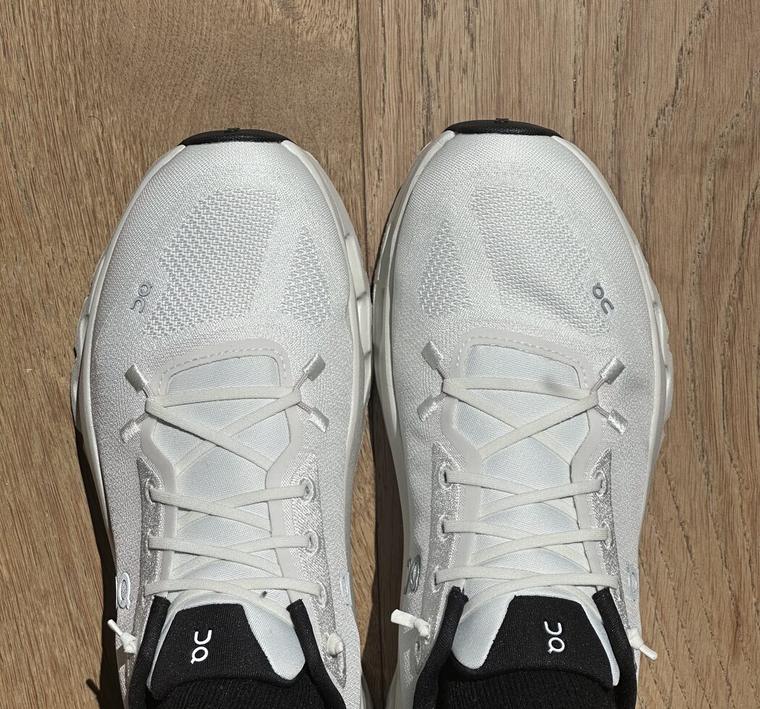
- Choose supportive shoes. Look for a low, stable heel, a firm midsole, a roomy toe box and laces or straps. Limit high heels and flat, unsupportive slippers.
- Keep moving, and add strength. Walking helps your bones, and strength training two or three times a week helps protect muscle. Simple calf raises and toe exercises build strength in your feet. Ask your doctor about protein, calcium, vitamin D and whether you need a bone density test.
- Check your feet each week. Look for cracks, redness, blisters or nail changes, especially if your skin is thin or you have diabetes.
How we help
Your visit starts with an assessment of your feet, skin, nails, how you walk and the shoes you wear. We explain what we see in plain language, along with your options and fees, before any treatment begins.
Depending on what we find, your plan may include:
- Care for thick, cracked heels, corns and calluses
- Footwear advice for your feet as they are now
- Stretching and strengthening exercises
- Padding or custom foot orthotics, when they're likely to help
- Shockwave therapy for soft tissue pain that hasn't settled, if it suits you
See your doctor first if
- You have new pain with swelling or bruising after little or no injury, or you can't put weight on your foot. This can be a stress fracture and may need an X-ray.
- One leg or foot is suddenly swollen, warm or red.
- You have numbness, tingling or burning in your feet.
- A crack, blister or sore isn't healing, or shows signs of infection.
Before you book
Do I need a referral?
No. You can book a foot assessment directly.
Is it covered by my benefits?
Many extended health plans reimburse care by a registered chiropodist. Check your plan's foot care coverage. We don't bill insurers directly; you receive itemized receipts to submit to your plan.
What should I bring?
The shoes you wear most often, and a list of your medications and health conditions.
Your chiropodists
Registered with the College of Chiropodists of Ontario.

Kaitlin Hargrave, BSc, DCh
Registered Chiropodist since 2014 · FounderKaitlin grew up in Aurora and founded the clinic. She trained in chiropody at the Michener Institute after a science degree at the University of Guelph.

Jasmine Randhawa, BSc, DCh
Registered Chiropodist since 2017Jasmine trained in chiropody at the Michener Institute after a science degree at Western University, and keeps current through ongoing continuing education.
Where this information comes from
- Wright VJ, Schwartzman JD, Itinoche R, Wittstein J. The musculoskeletal syndrome of menopause. Climacteric, 2024.
- Watson SL, et al. High-intensity resistance and impact training improves bone mineral density and physical function in postmenopausal women with osteopenia and osteoporosis: the LIFTMOR randomized controlled trial. Journal of Bone and Mineral Research, 2018.
- Sims S, as summarized in Maintaining bone and muscle mass through menopause and beyond, 2022.
- Wright V. Menopause and muscles (FACE method), She MD podcast, 2025; and Unbreakable: A Woman's Guide to Aging with Power, 2025.
- Lu C, et al. Musculoskeletal pain during the menopausal transition: a systematic review and meta-analysis. Neural Plasticity, 2020.
- López López D, et al. Impact on quality of life related to foot health in a sample of menopausal women: a case-control observational study. Climacteric, 2016.
- Tidd MM, Shrestha M. Postmenopausal estrogen deficiency and tendon degeneration: a systematic review. Muscles, Ligaments and Tendons Journal, 2026.
- Osteoporosis Canada. Menopause and bone health.
- Northwestern Medicine. Menopause and your skin.
- Hinge Health. Menopause and foot pain. Reviewed by physical therapists, 2025.
This page is general information, not a diagnosis. Please speak with a health care provider about your own situation.
Let's take a look at your feet
Book online in a few minutes, or call the front desk. No referral is needed.
372 Hollandview Trail, Suite 301, Aurora, ON L4G 0A5
Free parking · Accessible entrance and elevator